
Blue Light Glasses for Sleep: Why Red Lenses, When to Wear Them and What to Expect
 By Ashley Isham
Updated October 20, 2026 · 3 min read · 2 views
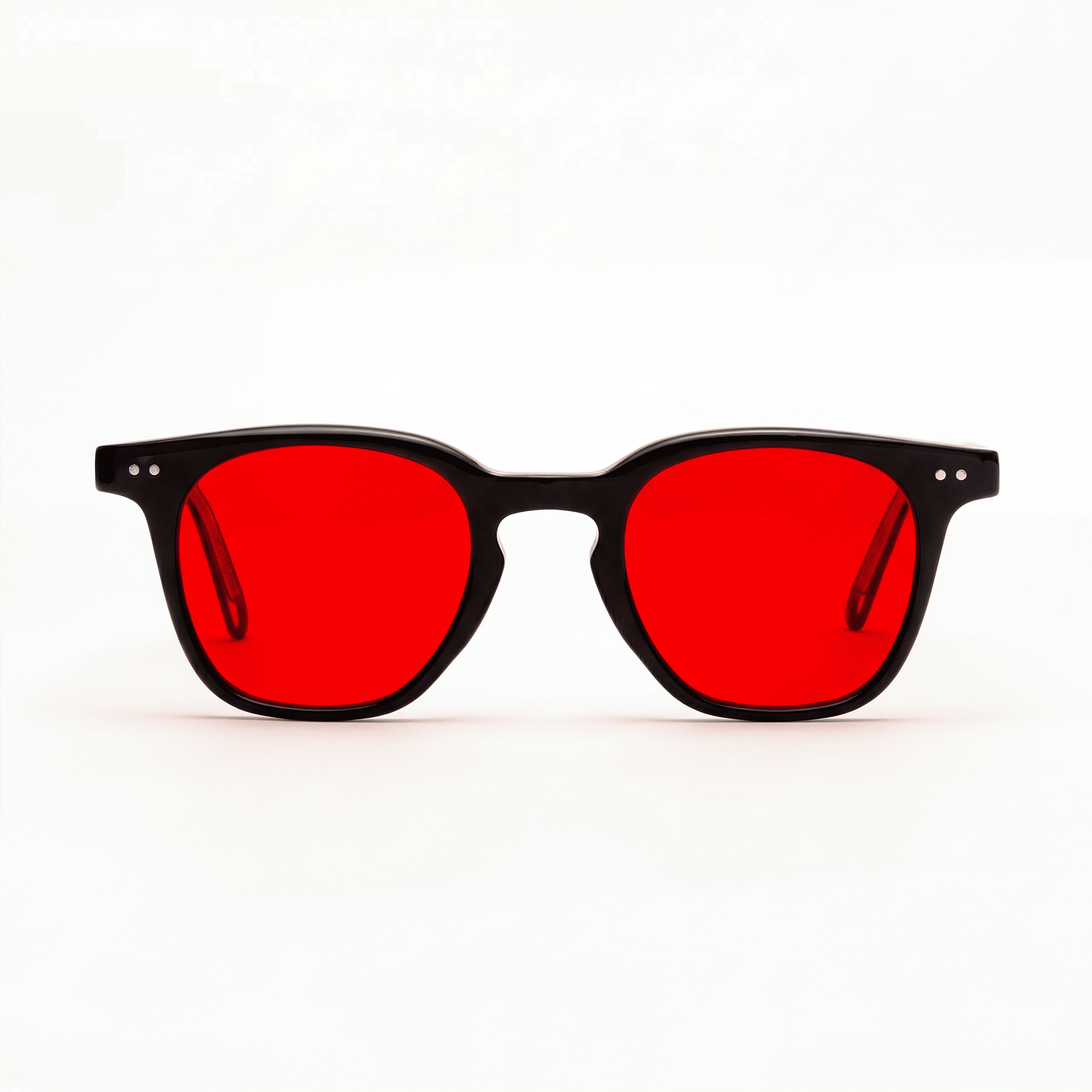
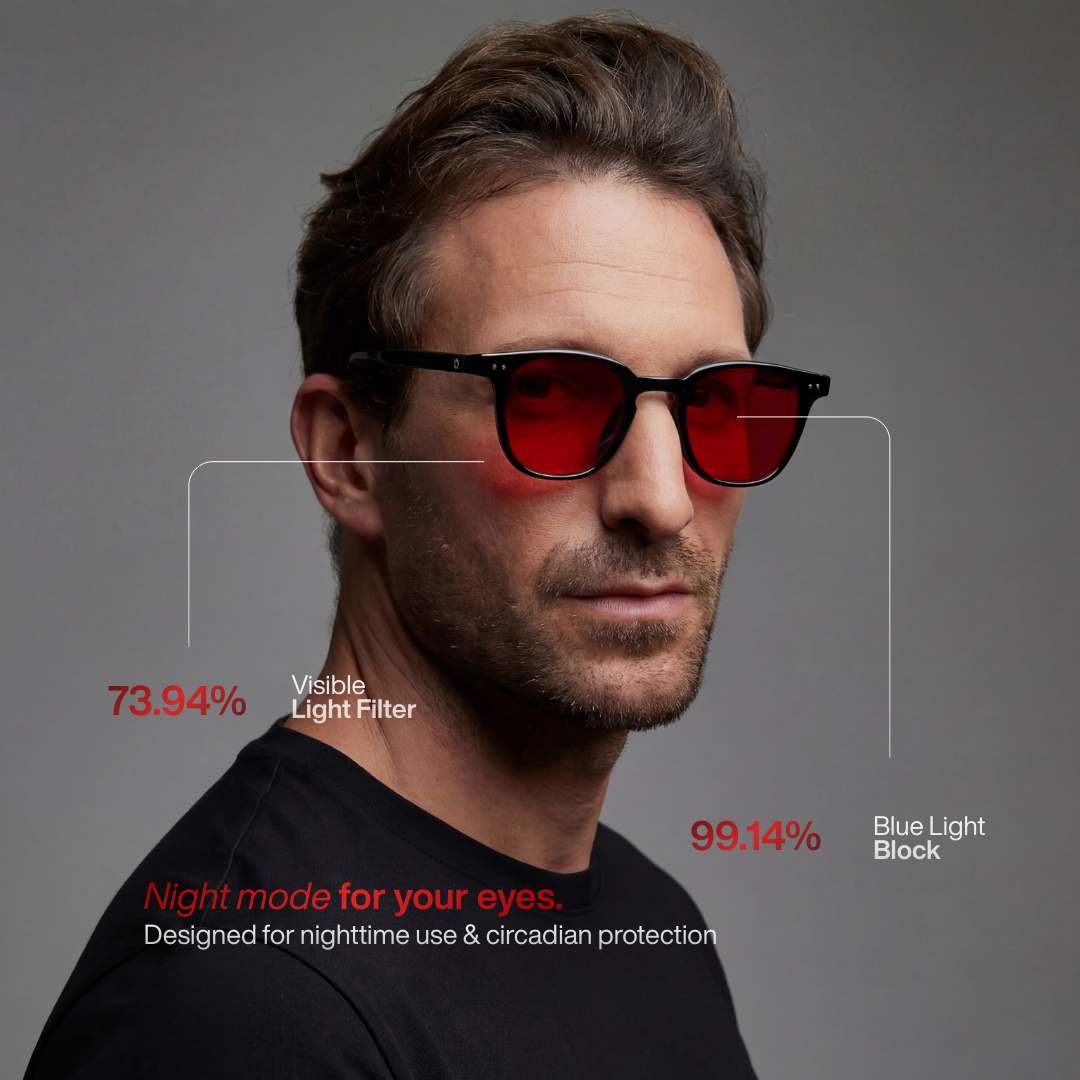
Blue light glasses for sleep work best when they are dark: amber, orange or red lenses that block most blue and green light, worn for the last 1 to 2 hours before bed while you use screens or bright lights. Clear “computer glasses” block too little for this. The evidence is promising but small, so treat them as one part of a wind-down routine, not a sleep treatment. One example is the red-lens Da Vinci from Warblue, which the brand says blocks 99.14% of blue light.
In short
- Lens color: red or deep orange/amber for evenings
- When: 1 to 2 hours before bed, until lights out
- Evidence: small trials show benefits; a large review found effects on sleep unclear
- Not for: driving at night or any task that needs true colors
Why red lens glasses for sleep?
Evening light, especially in the blue range, is known to suppress melatonin, the hormone that signals bedtime. Red lenses filter out almost all blue light and much of the green, so the light that still reaches your eyes in the evening is mostly red and orange. Lighter yellow or clear lenses let much more of that light through, which is why they are sold for daytime screens instead.
| Lens | Blue blocked (Warblue figures) | Good for sleep routine? |
|---|---|---|
| Clear (Edison) | Not stated as a % | No |
| Yellow (Galileo) | About 84% | Limited |
| Orange (Newton) | Up to 97% | Yes, early evening |
| Red (Da Vinci) | 99.14% | Yes, last 1 to 2 hours |
See how all four compare in our clear vs yellow vs orange vs red guide.
What the research says
- Supportive: in a 2018 Columbia University trial, 14 adults with insomnia wore amber lenses for 2 hours before bed for a week; they slept about 30 minutes longer than with clear placebo lenses. The researchers called for larger studies.
- Cautious: a 2023 Cochrane review of 17 trials found the effect of blue-light filtering lenses on sleep quality unclear, with short, small studies.
Bottom line from the evidence: dark evening lenses may help some people, especially those exposed to screens late at night, but they are not proven to fix sleep problems. If you have ongoing insomnia, talk to a doctor. More in do blue light glasses work.
Blue light glasses for sleep: evening routine
- 2 hours before bed: dim overhead lights and put on red or orange lenses.
- Keep them on for TV, phone or laptop until you switch off.
- Combine with night mode on your devices and a consistent bedtime.
- Take them off before driving or anything that needs accurate color.
Buying options
Warblue sells the red Da Vinci for $89, but its Day & Night 2-glasses bundle also costs $89 on the store’s current Buy 1 Get 1 Free deal, so you get a daytime pair as well. Free shipping, 30-day returns with the hygiene seal intact, and a 2-year defect warranty. Read our full Warblue review.
FAQ
Do blue light glasses help you sleep?
Dark amber or red lenses worn before bed have helped in small trials, but larger reviews call the evidence uncertain.
When should I put on sleep glasses?
About 1 to 2 hours before bed, and keep them on until lights out.
Are red or orange lenses better for sleep?
Red blocks more blue and green light; orange is a lighter option for earlier in the evening.
Bottom line
If you try blue light glasses for sleep, choose red or deep orange lenses and wear them consistently for the last hours of the evening.
See Warblue red lens glasses →
Unbias Review may earn a commission when you buy through links on this page, at no extra cost to you.

Ashley Isham
Ashley Isham is a senior reviewer at Unbias Review with a genuine passion for finding products that are actually worth the money. She covers skincare, beauty, wellness and everyday tech, digging into ingredients, specs, prices and real customer feedback so readers can shop with confidence. Ashley loves a good deal as much as a great product, which is why every review comes with the smartest way to save.
 Health & Wellness
First Period Kit: What to Put in It (and the WUKA Starter Kits Worth Buying)
 Health & Wellness
Therasage Thera360 Plus Review: Portable Full-Spectrum Sauna With Red Light
 Health & Wellness
Teen Period Pants: How to Choose WUKA Teen Pants for School (Sizes, Absorbency, Sets)