
Complete Guide to Choosing an Infrared Sauna Blanket: Therasage Features, Safety, and Evidence
 By Ashley Isham
Updated June 22, 2026 · 22 min read · 16 views
By Ashley Isham
Updated June 22, 2026 · 22 min read · 16 views
What Is an Infrared Sauna Blanket?
An infrared sauna blanket is a wearable wellness device designed to deliver heat therapy through infrared radiation. Unlike traditional saunas, which heat the air around you, infrared sauna blankets emit infrared light that penetrates the skin and underlying tissues directly. The device typically consists of a quilted fabric mat or blanket embedded with heating elements—usually made from carbon fiber, jade, or tourmaline—that generate infrared wavelengths when powered on.
These blankets come in various sizes, from torso-sized wraps to full-body mats. Most models feature adjustable temperature controls, preset programs, and automatic shutoff timers. They’re designed for home use and require only an electrical outlet, making them more accessible than traditional sauna installations.
The infrared sauna blanket market has grown significantly over the past decade as consumers seek convenient, at-home wellness solutions. Therasage is one of the prominent brands in this category, but numerous competitors now offer similar products at varying price points and feature levels. Understanding how these devices work and what evidence supports their use is essential before making a purchase decision.
How Infrared Sauna Blankets Work
The Physics of Infrared Radiation
Infrared radiation exists on the electromagnetic spectrum between visible light and microwaves. It’s divided into three wavelength categories: near-infrared (700–1,400 nanometers), mid-infrared (1,400–3,000 nanometers), and far-infrared (3,000–1,000,000 nanometers). Most infrared sauna blankets use far-infrared wavelengths, which are claimed to penetrate deeper into tissue than other wavelengths.
When infrared energy reaches your skin, it causes molecules to vibrate, generating heat. This heat then conducts deeper into tissues, potentially reaching muscles, joints, and organs. The theory is that this penetrating heat produces more therapeutic effects than surface-level warmth alone.
Heating Elements and Materials
Different infrared sauna blanket models use different materials in their heating elements. Common options include:
- Carbon fiber: Lightweight, durable, and efficient at generating heat; used in many mid-range and premium models.
- Jade and tourmaline: Semi-precious stones that some manufacturers claim emit additional negative ions and infrared energy; often marketed as premium features but not independently verified as adding significant benefit.
- Ceramic elements: Another option that claims to emit infrared radiation; less common than carbon fiber in blanket-style devices.
Therasage models typically feature carbon fiber or jade-embedded heating layers. The manufacturer states that these materials are selected for heat distribution and durability, though independent verification of material-specific benefits is limited.
Temperature Regulation and Control
Most infrared sauna blankets operate within a temperature range of 86°F to 158°F (30°C to 70°C), though some premium models claim higher maximum temperatures. Temperature is typically controlled via a digital control panel or remote, with preset programs for different durations and intensity levels.
Accurate temperature regulation is important both for comfort and safety. Lower-quality devices may have inconsistent heating or unreliable temperature sensors, leading to either insufficient heat or risk of overheating. When evaluating any infrared sauna blanket, including Therasage models, checking user reviews for temperature consistency and control reliability is essential.
What the Evidence Actually Shows
Published Research on Infrared Sauna Use
The scientific evidence on infrared sauna therapy is mixed and, in many cases, limited. According to the National Center for Complementary and Integrative Health (NCCIH), sauna bathing has been studied for various health outcomes, but the quality and quantity of research varies significantly by claimed benefit.
A peer-reviewed review article on sauna bathing and cardiovascular health published in scientific literature found associations between regular sauna use and reduced cardiovascular mortality in observational studies. However, these studies involved traditional saunas and were observational in nature, meaning they cannot prove causation. The mechanisms proposed—improved endothelial function, reduced blood pressure, and enhanced circulation—are plausible but require more rigorous testing.
A study on whole-body far infrared radiation and browning of adipose tissue found that far-infrared exposure induced changes in fat tissue in both mice and humans. However, the human study was small and did not measure clinically meaningful weight loss or metabolic changes.
Claimed Benefits vs. Actual Evidence
Manufacturers of infrared sauna blankets, including Therasage, often make claims about the following benefits:
- Pain relief and muscle recovery: Some users report reduced muscle soreness and joint pain. Limited clinical evidence supports heat therapy for certain types of pain, but whether infrared specifically offers advantages over conventional heating is unclear.
- Detoxification: The claim that infrared sauna use helps “detoxify” the body is not well-supported by evidence. While sweating does release some substances, the skin is not a primary detoxification organ; the liver and kidneys handle that function.
- Weight loss: Some infrared sauna blanket marketing suggests that using the device burns calories. While heat exposure does increase metabolic rate slightly, the effect is modest and not a substitute for diet and exercise.
- Improved circulation: Heat therapy can temporarily increase blood flow, which is why people may feel warmer and more relaxed. Whether infrared penetration offers specific advantages over surface heat is debated.
- Skin health: Increased sweating and circulation may benefit skin in some cases, but evidence specific to infrared wavelengths is limited.
According to FDA guidance on general wellness products, infrared sauna blankets are typically classified as low-risk wellness devices rather than medical devices, meaning they are not required to prove efficacy the way medications are. This distinction is important: it means manufacturers can make broader claims without the same level of clinical evidence required for medical devices.
What Mayo Clinic and Other Trusted Sources Say
Mayo Clinic’s overview of sauna safety and benefits notes that while sauna bathing may offer some health benefits, the evidence is not conclusive for most claims. The clinic recommends caution for people with certain conditions, such as uncontrolled high blood pressure, heart disease, or pregnancy.
WebMD’s guide to sauna benefits and risks similarly emphasizes that while sauna use is generally safe for healthy people, the health benefits are modest and should not be overstated. The emphasis is on sauna use as a relaxation and wellness practice rather than a medical treatment.
The takeaway: infrared sauna blankets may offer some benefits related to relaxation, temporary pain relief, and circulation, but claims about detoxification, significant weight loss, or disease treatment are not well-supported by current evidence. If you have a specific health condition, consulting with a healthcare provider before using an infrared sauna blanket is wise.
Key Specifications to Understand
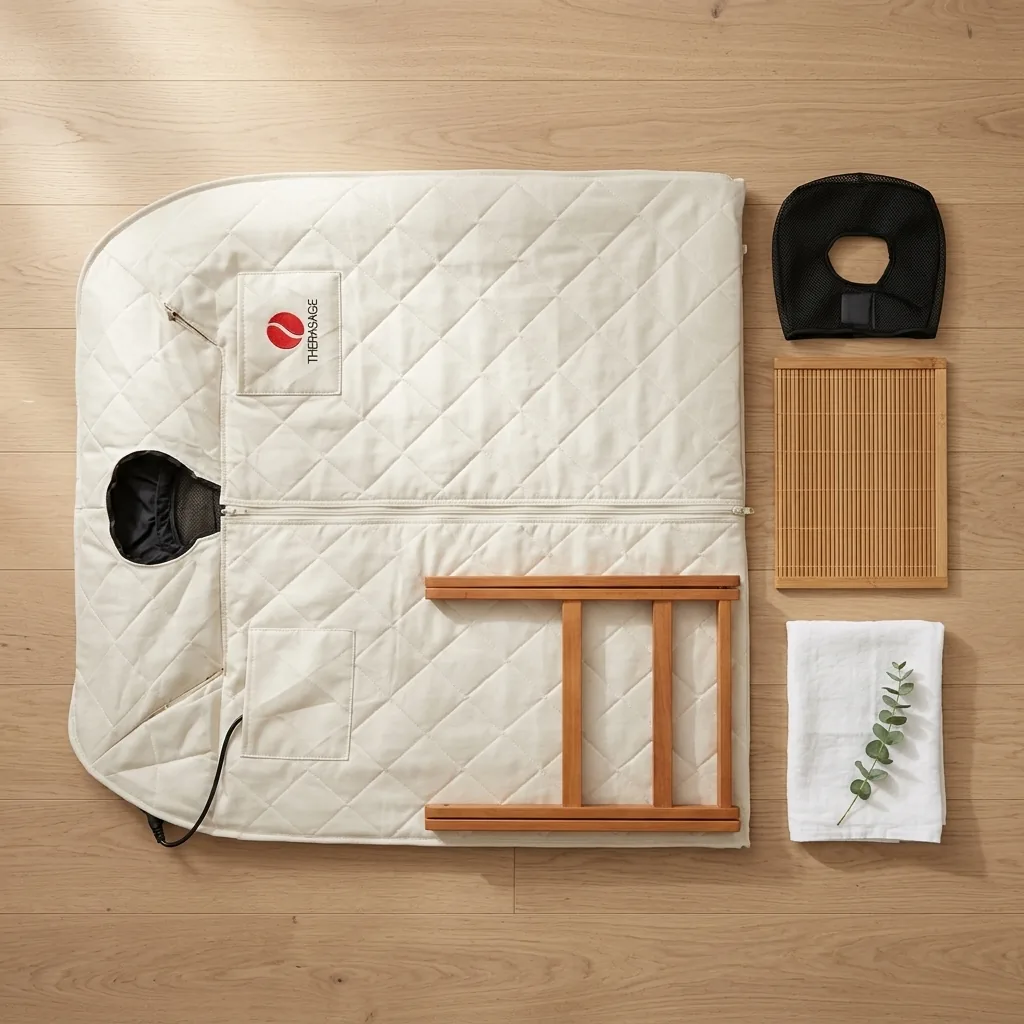
When comparing infrared sauna blankets, including Therasage models and alternatives, several technical specifications matter:
Wavelength Range
Manufacturers often specify the infrared wavelengths their devices emit. Far-infrared (typically 5–15 micrometers) is the most common range for sauna blankets. Some brands claim to emit “full spectrum” infrared, including near-, mid-, and far-infrared. The practical difference between these wavelengths in terms of actual health benefits is not clearly established in the literature.
Temperature Range and Accuracy
Note the minimum and maximum operating temperatures. Most quality infrared sauna blankets range from 86°F to 140°F (30°C to 60°C), though some claim higher maximums. Verify that the device has a reliable thermostat and temperature sensor; inconsistent heating is a common complaint in user reviews.
Heating Time
How long does the device take to reach maximum temperature? Faster heating times (under 5 minutes) are more convenient than slower models. Check user reviews for real-world heating times, as advertised times may not match actual performance.
Power Consumption
Infrared sauna blankets typically draw 100–300 watts of electricity. Higher wattage generally means faster heating and potentially more intense infrared output, but also higher electricity costs. Check the device specifications and calculate estimated monthly operating costs if you plan to use it frequently.
Size and Coverage
Infrared sauna blankets range from smaller torso wraps (covering chest and abdomen) to full-body mats (5–6 feet long). Larger devices offer more coverage but take up more space and may be harder to store. Consider your available space and which body areas you want to target.
Material and Durability
The outer fabric should be durable, water-resistant, and easy to clean. Inner heating elements should be well-insulated to prevent burns and ensure longevity. Read user reviews for durability feedback; some lower-cost models develop heating element failures or fabric degradation after months of use.
Safety Features
Look for auto-shutoff timers (typically 30–60 minutes), overheat protection, and EMF (electromagnetic field) shielding. Some models include grounding technology to reduce EMF exposure. These features are standard on reputable brands but may be absent on cheaper alternatives.
Therasage Infrared Sauna Blankets: Features and Positioning
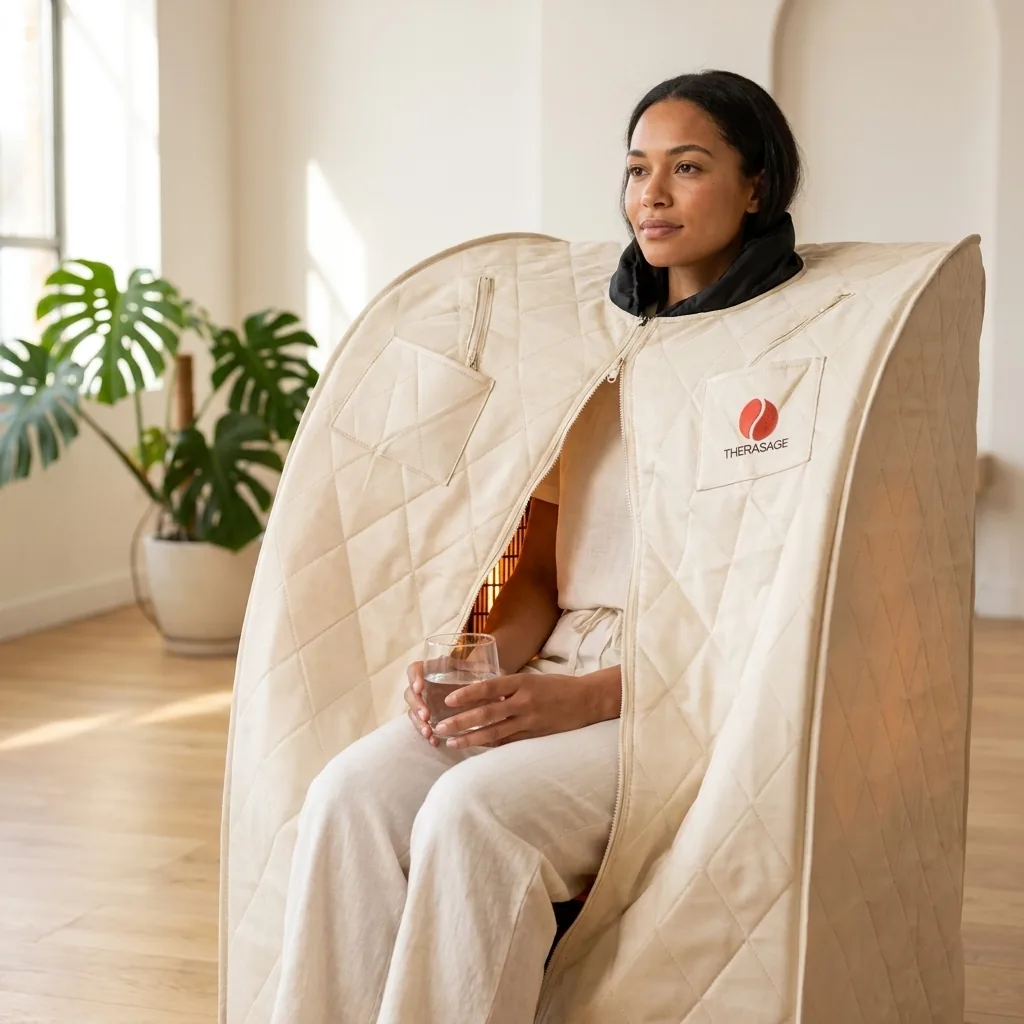
Therasage is a well-known brand in the infrared wellness space, offering several sauna blanket models at different price points. The brand positions itself as a premium option with emphasis on material quality and infrared technology.
Therasage Product Lineup
Therasage offers multiple infrared sauna blanket models, including full-body mats and torso-sized versions. The brand’s flagship models typically feature:
- Carbon fiber and jade-embedded heating layers
- Temperature ranges from 86°F to 158°F (30°C to 70°C)
- Preset programs for different session durations
- Digital controls with timer functions
- Claimed far-infrared wavelengths in the 5–15 micrometer range
- Fabric designed for comfort and water resistance
Therasage’s pricing generally falls in the mid-to-premium range, with full-body models typically priced between $500 and $2,000 depending on the specific model and current promotions. The brand emphasizes quality materials and manufacturing as justification for the higher price point.
Brand Reputation and User Reviews
Therasage has a substantial user base and generally positive reviews on retail platforms. On Trustpilot and Amazon, Therasage products typically receive ratings in the 4.0–4.5 out of 5 star range, with thousands of reviews. Common positive feedback includes comfort, build quality, and heating consistency. Common criticisms include price, weight (full-body models can be heavy), and the learning curve for using multiple settings.
For a detailed, independent assessment of Therasage infrared mats, including real-world testing and honest downsides, read the Therasage Infrared Mat Review on Unbias Review, which breaks down actual performance, benefits, and limitations based on research and user feedback.
Therasage vs. Other Premium Brands
Therasage competes with brands like HealthyLine, PEMF Therapy, and others in the premium infrared sauna blanket segment. Key differentiators include material choices (jade vs. tourmaline vs. carbon fiber), temperature range, and warranty. Therasage’s emphasis on jade and carbon fiber combination is marketed as superior heat distribution, though independent testing of material-specific benefits is limited.
For a comprehensive comparison of Therasage and alternative infrared sauna options, see Best Infrared Mats for At-Home Therapy: Therasage Alternatives Tested, which reviews competing products across performance, value, and real-world usability.
Safety Considerations and Risk Factors
General Safety of Infrared Sauna Blanket Use
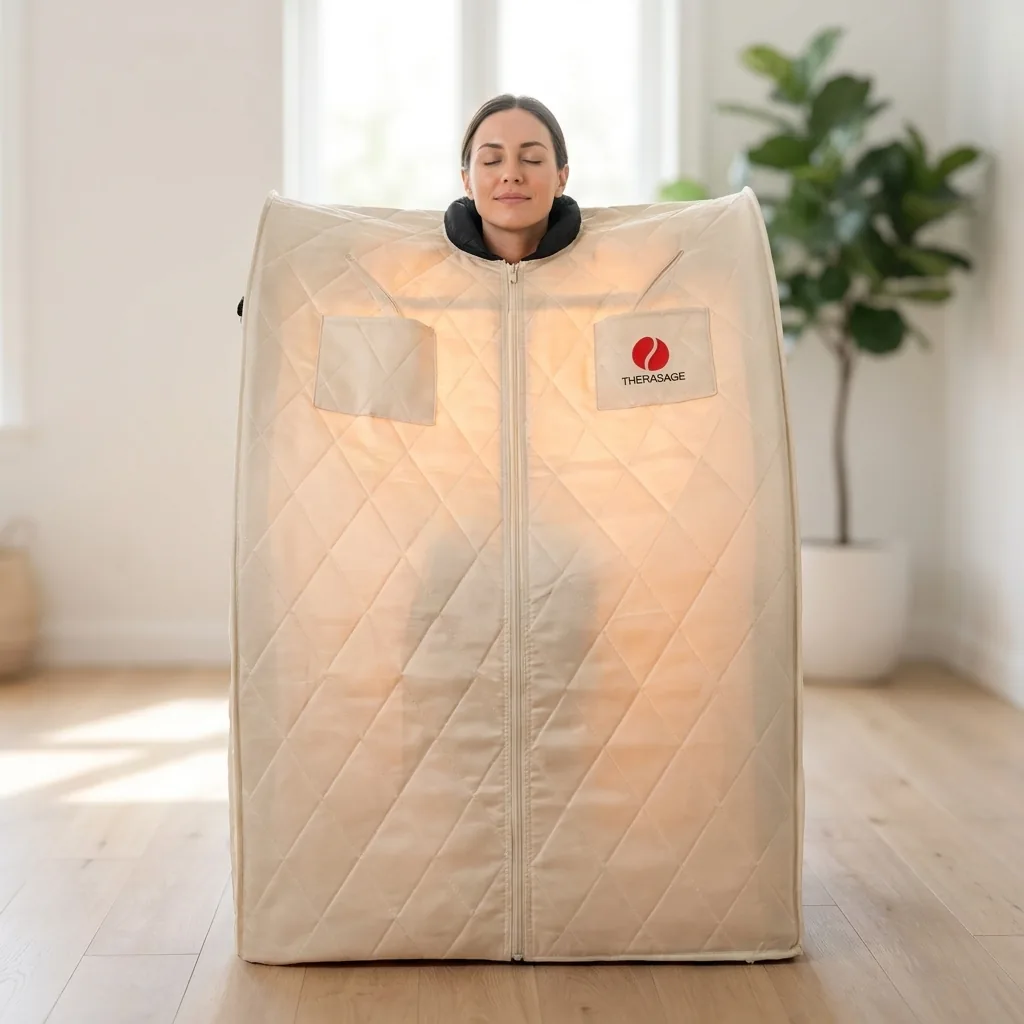
Infrared sauna blankets are generally considered safe for most healthy adults when used as directed. However, several important safety considerations apply:
Heat-Related Illness and Dehydration
Prolonged heat exposure increases core body temperature and causes sweating. According to NIOSH guidance on heat stress, the body’s ability to regulate temperature can be compromised in certain conditions, leading to heat exhaustion or heat stroke. Signs include dizziness, nausea, rapid heartbeat, and confusion.
To use an infrared sauna blanket safely:
- Start with shorter sessions (10–15 minutes) and gradually increase duration.
- Stay well-hydrated before, during, and after use. See NIH guidance on hydration and fluid balance for recommended daily fluid intake.
- Stop immediately if you feel dizzy, nauseous, or uncomfortable.
- Use the device in a cool, well-ventilated area.
- Avoid use if you have a fever or acute illness.
Contraindications and At-Risk Groups
Certain people should avoid or use infrared sauna blankets only under medical supervision:
- Pregnant women: Heat exposure, especially in the first trimester, may pose risks. Consult a healthcare provider before use.
- People with uncontrolled high blood pressure: Heat can temporarily raise blood pressure further.
- Those with heart disease or arrhythmias: Heat stress on the cardiovascular system may be problematic.
- People taking medications that affect heat regulation: Some medications impair the body’s ability to cool itself.
- Those with skin conditions: Direct heat on certain skin conditions may worsen symptoms.
- People with implanted devices: Electromagnetic fields from heating elements may interfere with pacemakers or other implants. Check device specifications and consult your doctor.
Burn Risk and Temperature Safety
While infrared sauna blankets operate at lower temperatures than traditional saunas, prolonged direct contact with heating elements can cause burns. Most quality devices, including Therasage models, have insulation and safety features to prevent this, but:
- Never use the device with wet skin directly against heating elements.
- Use on a clean, dry surface.
- Don’t fall asleep during use; set a timer.
- Check the device for signs of damage before each use.
- Follow manufacturer instructions for maximum session duration.
Electromagnetic Field (EMF) Exposure
All electrical heating devices emit some electromagnetic fields. Some infrared sauna blanket manufacturers, including Therasage in some models, claim to use “grounding” or EMF-shielding technology to reduce exposure. The health significance of low-level EMF from consumer devices is debated; regulatory agencies like the FDA do not consider consumer infrared sauna blankets to pose significant EMF risk when used as directed.
If you have concerns about EMF exposure, check product specifications and look for models with grounding features or shielding.
Pre-Existing Medical Conditions
If you have any chronic health condition—including diabetes, kidney disease, respiratory issues, or neurological conditions—consult with a healthcare provider before using an infrared sauna blanket. Heat exposure affects the body in complex ways, and interactions with medications or conditions are possible.
How to Evaluate Infrared Sauna Blankets
Choosing the right infrared sauna blanket requires systematic evaluation across several dimensions. Following the principles outlined in How to Evaluate PEMF and Infrared Therapy Devices Before You Buy, here’s a structured approach:
Step 1: Clarify Your Intended Use
Before comparing models, define what you want from an infrared sauna blanket:
- Primary purpose: Relaxation, pain relief, general wellness, or specific condition management?
- Frequency of use: Daily, several times a week, or occasional?
- Target areas: Full body, torso, or specific joints?
- Space availability: Do you have room for a full-body mat, or do you need a compact model?
Your answers will narrow down the type and size of device you need.
Step 2: Research Specifications Against Your Needs
Once you know your use case, compare specifications:
- Size: Match the device size to your intended coverage area and available space.
- Temperature range: Ensure the maximum temperature meets your preference. Most people find 130–145°F comfortable; higher isn’t always better.
- Heating time: Faster is more convenient; compare real-world heating times from user reviews, not just manufacturer claims.
- Material quality: Carbon fiber and jade are both common; user reviews are more informative than marketing claims about material benefits.
- Safety features: Confirm the presence of auto-shutoff, overheat protection, and any EMF shielding if that’s a concern.
- Warranty: Reputable brands offer 1–3 year warranties. Shorter warranties may indicate lower confidence in durability.
Step 3: Check User Reviews Across Multiple Platforms
Read reviews on multiple platforms (Amazon, Trustpilot, Reddit, manufacturer site) to get a balanced picture. Look for:
- Consistency: Do most reviews align on key points (heating performance, durability, comfort)?
- Longevity: How many reviewers report the device still working well after 6–12 months of regular use?
- Common complaints: Are there recurring issues (e.g., uneven heating, fraying fabric, control panel problems)?
- Verified purchases: Prioritize reviews from people who actually bought and used the product.
Therasage products, for instance, typically have many positive reviews but also some complaints about weight and price. Balancing these perspectives helps you decide if the trade-offs suit your needs.
Step 4: Compare Price to Features and Durability
Infrared sauna blankets range from $200 to $3,000+. More expensive doesn’t always mean better; instead, evaluate value:
- Feature-to-price ratio: Does a $1,500 model offer meaningfully better features than a $700 model, or mainly a brand premium?
- Expected lifespan: A $1,200 device lasting 5 years is better value than a $500 device lasting 1 year.
- Warranty and support: Longer warranties and responsive customer service add value.
- Return policy: Some brands offer 30–60 day trial periods, reducing purchase risk.
Step 5: Verify Safety and Regulatory Compliance
Confirm that any model you’re considering:
- Has been tested for electrical safety (look for UL, ETL, or CE certification marks).
- Complies with FDA regulations for consumer wellness devices.
- Includes clear safety instructions and contraindications.
- Has accessible customer support if you have safety questions.
Therasage models are generally certified and compliant, but always verify before purchase.
Step 6: Test if Possible
If you have access to a showroom or a friend with an infrared sauna blanket, try it before buying. Assess:
- Comfort: Does the fabric feel pleasant against your skin?
- Heating consistency: Does it heat evenly, or are there hot spots?
- Ease of use: Are the controls intuitive?
- Weight and handling: Can you comfortably move and store it?
Therasage vs. Alternatives: What to Compare
When deciding between Therasage and other infrared sauna blanket brands, use this comparison framework:
Therasage Strengths
- Established brand: Therasage has been in the infrared wellness space for over a decade, with substantial user base and feedback.
- Material quality: Jade and carbon fiber combination is well-regarded; many users report durability.
- Temperature range: Most Therasage models reach 158°F, suitable for most users.
- User support: The company generally provides responsive customer service.
- Warranty: Typically 1–3 years depending on model.
Therasage Limitations
- Price: Therasage is positioned in the premium segment; expect to pay $800–$2,000+ for full-body models.
- Weight: Full-body Therasage mats are heavy (20–30 lbs), making storage and portability challenging.
- Learning curve: Multiple settings and programs can be confusing for new users.
- Limited clinical evidence: Like all infrared sauna blankets, Therasage benefits are not proven by rigorous clinical trials.
Key Competitors and Comparisons
HealthyLine: Often positioned as a direct competitor to Therasage, HealthyLine offers jade and tourmaline models at similar price points. HealthyLine emphasizes negative ion generation (unproven benefit) and offers more preset programs. User reviews are comparable to Therasage; the choice often comes down to specific model features and personal preference.
PEMF Therapy brands: Some companies blur the line between infrared sauna blankets and PEMF (pulsed electromagnetic field) devices, offering combination products. If you’re interested in PEMF specifically, see What Warblue’s PEMF Devices Actually Do: Mechanisms, Clinical Evidence, and Realistic Results for an honest breakdown of what PEMF evidence actually shows.
Budget brands (under $400): Numerous budget infrared sauna blanket options exist on Amazon and AliExpress. These typically feature simpler controls, lower maximum temperatures, and less durable materials. User reviews often report shorter lifespan and heating inconsistencies. The trade-off is lower upfront cost but potentially higher replacement cost over time.
Mid-range brands ($400–$800): Brands like Sunlighten, HigherDOSE, and others occupy the mid-range. These typically offer better durability than budget options and competitive features to Therasage at lower prices. User reviews are generally positive, though some report less premium feel than Therasage.
For a detailed side-by-side review of Therasage and alternative infrared mats, see Best Infrared Mats for At-Home Therapy: Therasage Alternatives Tested, which independently compares performance, pricing, and real-world usability.
Choosing the Right Model for Your Needs
Decision Tree: Finding Your Ideal Infrared Sauna Blanket
1. Budget consideration:
- Under $400: Accept potential durability trade-offs; look for models with good user reviews despite lower price.
- $400–$800: Sweet spot for many buyers; good balance of features, durability, and value.
- $800–$1,500: Premium options like Therasage; highest build quality and support.
- Over $1,500: Specialized features or full-body commercial-grade models; rarely necessary for home use.
2. Size and coverage:
- Torso/wrap models (under 3 feet): Best for targeted use, easy storage, portable.
- Mid-size mats (3–5 feet): Balance of coverage and storage; suitable for most home users.
- Full-body mats (5–6 feet): Maximum coverage but heavy and require dedicated storage space.
3. Frequency of use:
- Occasional (1–2 times per week): Budget or mid-range models sufficient; durability less critical.
- Regular (3–5 times per week): Invest in mid-range or premium for better heating consistency and longevity.
- Daily: Premium models like Therasage justified; better reliability and support for heavy use.
4. Specific features you value:
- Simplicity: Look for models with basic temperature control and timer; avoid overly complex preset programs.
- Advanced controls: If you like customization, choose models with multiple presets and smartphone connectivity (if available).
- Portability: Opt for lighter models or torso wraps if you plan to move the device frequently.
- EMF concerns: Prioritize models with grounding or shielding if this is important to you.
Sample Purchasing Decisions
Scenario 1: Occasional home user, limited budget
Choose a mid-range full-body mat ($400–$600) from a reputable brand with good reviews. Brands like HigherDOSE or certain HealthyLine models fit this profile. You’ll get reasonable durability and features without premium pricing.
Scenario 2: Regular user, willing to invest
Therasage or similar premium brands ($1,000–$1,500) are justified if you’ll use the device 3+ times per week. The build quality, heating consistency, and customer support justify the higher cost over time.
Scenario 3: Targeted pain relief, limited space
Choose a torso wrap or mid-size mat ($300–$700) focused on your specific area of need. This approach is more affordable and easier to store than full-body options.
Scenario 4: Experimental user, uncertain about commitment
Start with a budget or mid-range model ($200–$500). If you use it regularly for 2–3 months and love it, you can upgrade to a premium model later. This approach reduces risk of wasting money on a device you won’t use.
FAQ: Common Questions About Infrared Sauna Blankets
How long should I use an infrared sauna blanket per session?
Most manufacturers recommend starting with 20–30 minute sessions and gradually increasing to 45–60 minutes as your body acclimates. Sessions longer than 60 minutes are generally not recommended without medical supervision. Listen to your body; if you feel uncomfortable, stop earlier. The “more is better” approach doesn’t apply to heat exposure; consistency matters more than duration.
Can I use an infrared sauna blanket every day?
Yes, daily use is safe for most healthy people, provided you follow safety guidelines. However, daily use is not necessary to experience benefits. Studies on traditional saunas suggest that 3–4 sessions per week may be optimal for health outcomes. Daily use is fine if you enjoy it, but it’s not required and may increase electricity costs.
Will an infrared sauna blanket help me lose weight?
Infrared sauna blankets may cause temporary water weight loss through sweating, but this returns once you rehydrate. The calorie burn from a sauna session is modest—typically 100–200 calories per 30-minute session—and is not a substitute for diet and exercise. If weight loss is your goal, use the sauna as a complementary wellness tool, not a primary strategy.
Is Therasage better than other brands?
Therasage is a well-regarded, premium brand with solid user reviews and good build quality. However, “better” depends on your specific needs and budget. For some users, a mid-range brand offers better value; for others, Therasage’s quality and support justify the premium price. Read reviews, compare features, and choose based on your priorities. See Best Infrared Mats for At-Home Therapy: Therasage Alternatives Tested for detailed comparisons.
Are there any health risks to infrared sauna blanket use?
Infrared sauna blankets are generally safe for healthy adults. Risks include heat-related illness (if used excessively or in hot environments), burns (from direct contact with heating elements), and cardiovascular stress (for people with heart conditions). Pregnant women, people with uncontrolled high blood pressure, and those with certain medical conditions should consult a healthcare provider before use. Follow manufacturer safety guidelines and listen to your body.
How do I clean and maintain an infrared sauna blanket?
Most infrared sauna blankets have removable, washable fabric covers. Wash covers in cool water with mild detergent; air dry. Wipe the heating surface with a damp cloth and dry thoroughly. Never submerge the entire device in water. Store in a cool, dry place away from direct sunlight. Check the manufacturer’s care instructions, as specifics vary by model.
What’s the difference between infrared sauna blankets and traditional saunas?
Traditional saunas heat the air around you to 150–195°F; you sweat in response to the hot environment. Infrared sauna blankets emit infrared radiation that directly heats your body; the air temperature is much lower (typically 86–158°F). Infrared blankets are more convenient for home use and use less electricity. Traditional saunas may provide a more intense, full-body experience. Both offer similar health benefits based on current evidence, though research is limited for both.
Do I need to drink extra water when using an infrared sauna blanket?
Yes. Sweating increases fluid loss, so hydration is important. Drink water before, during (if using for extended periods), and after each session. The amount depends on your sweat rate and baseline hydration needs. See NIH guidance on hydration for general recommendations. If you’re using the sauna blanket daily, monitor your hydration status and adjust water intake accordingly.
Can I use an infrared sauna blanket if I have a pacemaker or other implant?
Electromagnetic fields from infrared sauna blankets could potentially interfere with pacemakers or other implanted devices. If you have an implant, consult your cardiologist or device manufacturer before using an infrared sauna blanket. Some devices with grounding or shielding technology may be safer, but medical clearance is essential.
How long do infrared sauna blankets last?
Durability varies by brand and build quality. Premium brands like Therasage typically last 3–5+ years with regular use and proper care. Budget brands may last 1–2 years. Factors affecting lifespan include frequency of use, storage conditions, and care. User reviews often provide insight into long-term durability; prioritize brands with positive long-term feedback.
Is the evidence for infrared sauna blanket health benefits strong?
The evidence is modest. Some studies suggest benefits for relaxation, temporary pain relief, and cardiovascular function, but most evidence comes from traditional sauna research, not infrared blanket-specific studies. Claims about detoxification, significant weight loss, or disease treatment are not well-supported. Use infrared sauna blankets as a wellness and relaxation tool, not as a medical treatment. Consult a healthcare provider if you have specific health concerns.
Sources
- National Center for Complementary and Integrative Health (NCCIH) — Saunas and Sauna Bathing
- Mayo Clinic — Sauna: Safety and Benefits
- WebMD — Sauna Benefits and Risks
- NIH Office of Dietary Supplements — Water and Health Professional Fact Sheet
- CDC NIOSH — Heat Stress
- FDA — General Wellness: Policy for Low Risk Devices
- PubMed Central — Sauna Bathing and Cardiovascular Mortality
- PubMed — Far Infrared Radiation and Adipose Tissue
- Consumer Reports — Saunas
- Harvard Health Blog

Ashley Isham
 Health and wellness
How to Evaluate PEMF and Infrared Therapy Devices Before You Buy
Health and wellness
How to Evaluate PEMF and Infrared Therapy Devices Before You Buy
 Health and wellness
Therasage Infrared Mat Review: Real-World Testing, Benefits, and Downsides
Health and wellness
Therasage Infrared Mat Review: Real-World Testing, Benefits, and Downsides
 Health and wellness
How to Use a Therasage Infrared Mat with Yoga and Recovery Sequences: Practical Session Walkthrough
Health and wellness
How to Use a Therasage Infrared Mat with Yoga and Recovery Sequences: Practical Session Walkthrough