
The Definitive Buyer’s Guide Hub for Home Appliances
 By Ashley Isham
Updated October 2, 2026 · 21 min read · 9 views
By Ashley Isham
Updated October 2, 2026 · 21 min read · 9 views
The Definitive Buyer’s Guide Hub for Home Appliances
Choosing the right home appliances is one of the most significant purchasing decisions you’ll make for your household. Whether you’re renovating your kitchen, upgrading your laundry room, or outfitting a new home, the sheer variety of options available can feel overwhelming. This comprehensive home appliances guide serves as your go-to resource for understanding what matters, how to evaluate your options, and which products deliver real value. Keep this home appliances guide open as you compare features, prices, and long-term costs to make choices that truly fit your household.
At Unbias Review, we believe you deserve straightforward information backed by real-world testing and transparent methodology. Unlike marketing-driven content that pushes you toward the most expensive option, our approach focuses on performance, reliability, and honest trade-offs. This hub brings together everything you need to know about selecting home appliances with confidence. Use this home appliances guide to focus your research on the factors that matter most: efficiency, reliability, and real-world performance.
Why Choosing the Right Home Appliances Matters
Home appliances represent a significant investment—often thousands of dollars when you factor in a complete kitchen or laundry setup. Beyond the initial cost, these devices impact your daily life in countless ways. They affect energy bills, time spent on household tasks, food quality, and overall home comfort. This home appliances guide emphasizes long-term costs and daily usability rather than marketing-driven features so you can avoid regret after purchase.
The stakes are particularly high because appliances typically stay in your home for 10-15 years or longer. A poor choice means years of frustration, inefficiency, or unexpected repair costs. Meanwhile, selecting the right appliance can streamline your routine, reduce energy consumption, and provide genuine satisfaction every time you use it.
According to independent appliance reviews and ratings from Consumer Reports, the difference between a well-chosen appliance and a mediocre one can amount to thousands of dollars over its lifetime when you factor in energy consumption, repair costs, and replacement frequency. This is why taking time to understand your actual needs—rather than being swayed by marketing claims—makes a real difference.
Understanding Appliance Categories and Your Home’s Needs
Home appliances fall into several major categories, each serving distinct purposes. Understanding these categories helps you prioritize your research and make targeted decisions. Refer back to this home appliances guide when prioritizing which categories require the most attention in your search.
Kitchen Appliances represent the largest investment for most households. This category includes refrigerators, ranges or cooktops, ovens, dishwashers, and smaller countertop devices. Kitchen appliances directly impact food preparation, storage, and cooking quality, making them central to daily life.
Laundry Appliances include washing machines and dryers—essential for maintaining household cleanliness. These devices consume significant water and energy, making efficiency ratings particularly important for long-term savings.
Climate Control Appliances encompass heating, cooling, and ventilation systems. While often overlooked in appliance discussions, these represent some of the largest energy expenses in most homes.
Specialty Appliances include items like ice makers, wine coolers, beverage centers, and other niche products that enhance lifestyle but aren’t essential.
Before diving into specific product research, assess which categories matter most to your household. Are you building a complete kitchen from scratch, or replacing a single aging refrigerator? Do you have specific lifestyle needs, like a large family requiring high-capacity laundry equipment? Understanding your priorities prevents wasted research on irrelevant categories and is a core principle of this home appliances guide.
The Complete Home Appliances Guide to Kitchen Equipment
The kitchen is where most appliance investment happens, and for good reason. These devices are used multiple times daily and directly affect food quality and meal preparation efficiency. This home appliances guide breaks down kitchen equipment choices so you can focus on what matters most for meal prep and storage.
Refrigerators: The Foundation of Kitchen Appliances
Refrigerators are non-negotiable appliances that run continuously, making energy efficiency paramount. When evaluating refrigerators, consider several factors beyond just capacity. Door configuration (French door, side-by-side, or traditional) affects usability and freezer accessibility. Temperature consistency, humidity control, and ice/water dispenser reliability vary significantly between models.
According to official U.S. Department of Energy guidance on shopping for appliances and electronics, ENERGY STAR certified refrigerators use approximately 15% less energy than non-certified models. Over a 15-year lifespan, this translates to hundreds of dollars in savings. Look for models with inverter compressors, which adjust cooling intensity based on demand rather than running at constant power.
Size matters more than many realize. An oversized refrigerator wastes energy and takes up valuable kitchen space, while an undersized unit forces constant reorganization and limits storage flexibility. Measure your space carefully and consider your household’s actual food storage needs—not the maximum capacity of available models. Use this home appliances guide checklist to compare energy use, capacity, and features before making a purchase.
Ranges and Cooktops: Fuel Type and Cooking Performance
Choosing between gas, electric coil, smooth-top electric, and induction cooktops involves understanding both performance and practical considerations. Gas cooktops offer immediate heat control and work with any cookware, making them popular among cooking enthusiasts. However, they require gas lines and produce moisture and pollutants.
Induction cooktops have gained popularity due to superior efficiency and precise temperature control, but they require magnetic cookware and have a steeper learning curve. Smooth-top electric cooktops offer a middle ground—easier to clean than coil models but less responsive than gas or induction.
When evaluating ranges and cooktops through your home appliances guide research, test the actual controls if possible. Some models feature confusing interfaces that make everyday cooking frustrating. Look for ovens with even heat distribution, convection options for faster cooking, and self-cleaning capabilities that actually work without excessive smoke or odor. This home appliances guide recommends testing controls in person whenever possible to ensure the interface matches your cooking style.
Dishwashers: Efficiency and Cleaning Performance
Modern dishwashers have become far more efficient than hand-washing, contrary to popular belief. According to ENERGY STAR product categories and efficiency guidance, ENERGY STAR certified dishwashers use as little as 3 gallons per cycle compared to 27 gallons for hand-washing.
When evaluating dishwashers, consider noise level—many people underestimate how important quiet operation becomes over years of daily use. Wash quality varies between models; some excel at removing baked-on food while others require pre-rinsing. Look for models with soil sensors that adjust wash intensity based on load dirtiness, reducing water waste on lightly soiled loads.
Capacity matters for larger families, but don’t assume bigger is always better. A dishwasher that’s too large creates wasted space and energy, while one that’s too small forces multiple cycles. Most standard models hold 12-14 place settings, which suits average households. Consult this home appliances guide for trade-offs between noise, capacity, and wash performance when choosing a model.
Laundry Appliances: Washing Machines and Dryers
Laundry appliances represent the second-largest appliance investment for most households. Unlike kitchen appliances used for specific tasks, washers and dryers run multiple cycles weekly, making efficiency and reliability critical. This home appliances guide highlights the trade-offs between upfront cost and operating efficiency for washers and dryers.
Washing Machine Technology and Capacity
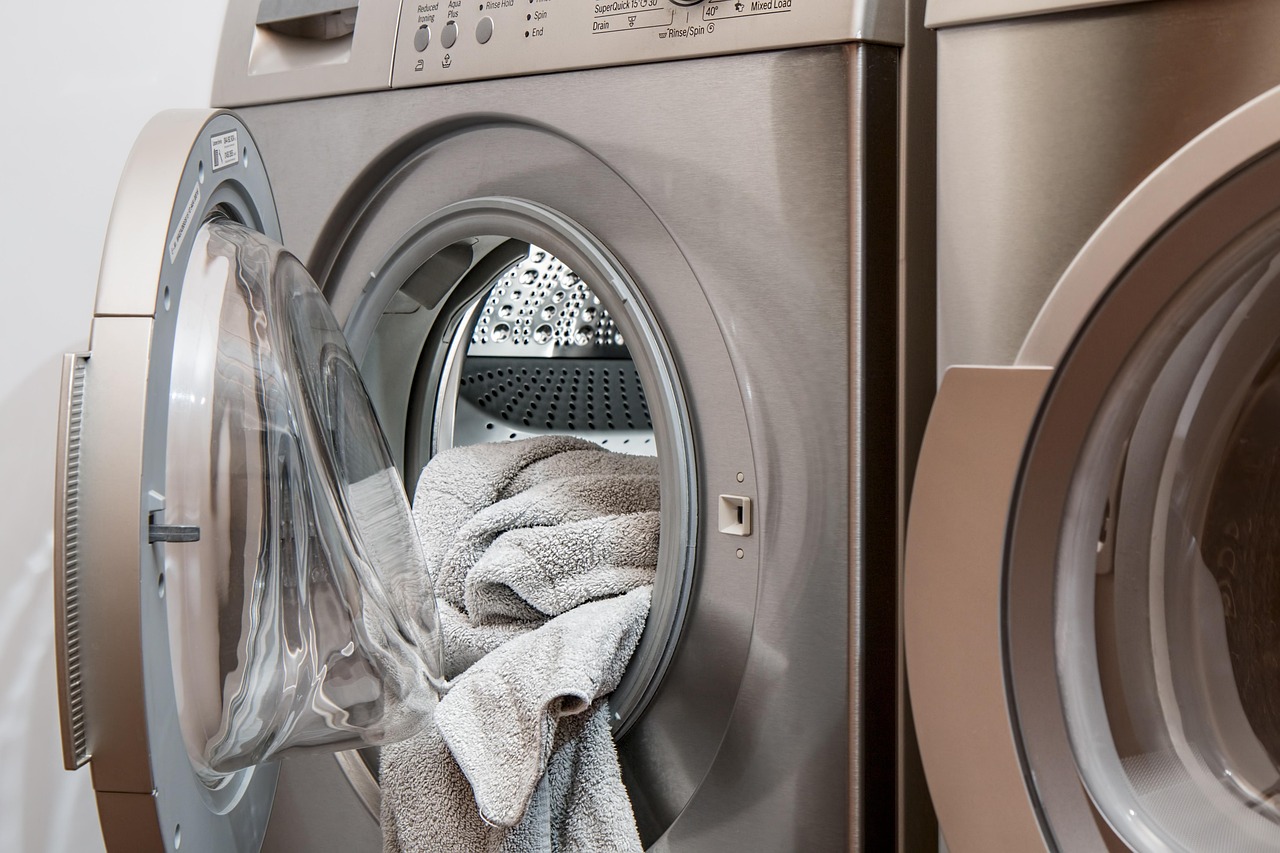
Modern washing machines fall into two main categories: top-load and front-load designs. Front-load washers use significantly less water and detergent while providing superior cleaning, but they cost more upfront and require careful maintenance to prevent mold. Top-load washers are more affordable and simpler to maintain, though they consume more water and energy.
Capacity directly affects your household’s laundry efficiency. A family of four typically needs at least 4.5 cubic feet of capacity to wash large items like comforters without multiple cycles. However, oversized capacity encourages overloading, which reduces cleaning effectiveness.
Look for machines with variable water levels, soil sensors, and cycle options suited to your actual laundry needs. A machine with 50 cycles sounds impressive until you realize you’ll use the same three cycles repeatedly. Focus on machines that excel at your household’s most common loads—whether that’s heavily soiled work clothes, delicate fabrics, or everyday family laundry. This home appliances guide advises matching capacity to realistic load sizes to avoid frequent cycling or wasted water.
Dryer Selection: Vented, Ventless, and Heat Pump Options
Dryer choice depends heavily on your home’s venting capabilities. Traditional vented dryers require ductwork to the outside and are the most affordable option. Ventless condensing dryers don’t require external venting but take longer to dry loads and create interior humidity. Heat pump dryers offer superior energy efficiency but have higher upfront costs and slower drying times.
For households in humid climates, heat pump dryers or ventless options may create moisture problems despite their efficiency benefits. Conversely, in dry climates, the humidity they produce is negligible. Consider your climate and home layout before prioritizing efficiency over practical functionality. Refer to this home appliances guide for climate-based recommendations on dryer types to prevent humidity issues.
Drying performance varies significantly between models. Some excel at drying large loads while others leave damp spots requiring additional cycles. Sensor drying, which detects moisture and stops the cycle automatically, prevents over-drying that damages fabrics and wastes energy.
Smart Home Appliances and Connected Kitchen Technology
Connected appliances represent a growing category, promising convenience through smartphone control and automation. However, not all smart features justify their premium cost. Within this home appliances guide we stress evaluating whether smart features deliver real value or just marketing appeal.
Worth considering are smart thermostats that learn your schedule and adjust temperature automatically. Our detailed review of the Nest Learning Thermostat and Ecobee Smart Thermostat demonstrates how these devices deliver tangible energy savings and comfort improvements. Similarly, smart lighting systems like Philips Hue bulbs offer practical benefits beyond novelty.
For kitchen appliances, smart features are less universally beneficial. A smart refrigerator that shows your grocery list on its screen sounds convenient until you realize you could accomplish the same thing with a smartphone or tablet at a fraction of the cost. Focus on smart features that solve genuine problems—like a washing machine that alerts you when the cycle finishes—rather than gimmicks.
Our smart home category provides detailed reviews of connected home systems that actually improve daily life. When considering smart appliances, evaluate whether the connectivity genuinely enhances functionality or simply adds cost and complexity.

Energy Efficiency: Reading Labels and Understanding Real Savings
Energy efficiency ratings significantly impact long-term appliance costs, yet many buyers ignore them in favor of upfront price. This represents a critical mistake in any home appliances guide. An effective home appliances guide helps you translate labels into dollars and cents for your household so you can make informed trade-offs.
Official Department of Energy guidance explains how to read energy labels and understand the actual dollar impact of efficiency ratings. The yellow EnergyGuide label shows estimated annual operating costs, allowing direct comparison between models. An appliance costing $200 more upfront but saving $50 annually in energy costs breaks even in four years and continues saving money throughout its 10-15 year lifespan.
ENERGY STAR certification indicates superior efficiency, but the benefit varies by appliance type. For refrigerators running continuously, ENERGY STAR certification provides meaningful savings. For appliances used occasionally, the benefit is smaller. Calculate actual payback periods based on your household’s usage patterns rather than assuming all efficient models provide equal value.
Water consumption matters equally for households concerned about environmental impact or living in water-restricted areas. Modern dishwashers and washing machines use dramatically less water than older models, making upgrades financially sensible even if the appliance still functions.
Budget Considerations: Finding the Right Price Point
Appliance pricing follows a predictable pattern: entry-level models offer basic functionality at lowest cost, mid-range models add features and reliability improvements, and premium models provide specialized capabilities and superior materials. Understanding where value peaks helps you avoid both false economy and unnecessary luxury. This home appliances guide helps identify the mid-range sweet spot where value and reliability intersect.
Entry-Level Appliances cost $300-800 for most categories. These models perform basic functions adequately but may lack convenience features, have shorter lifespans, or develop problems more quickly. For appliances you’ll use daily for 15 years, entry-level pricing often represents poor value despite lower upfront cost.
Mid-Range Appliances typically cost $800-2,000 and represent the sweet spot for most households. These models balance performance, reliability, and features without premium pricing. Most Unbias Review recommendations fall in this category because real-world testing shows excellent value.
Premium Appliances exceed $2,000 and offer specialized features, superior materials, or brand prestige. Unless you have specific needs these features address, premium pricing rarely justifies the cost through improved performance alone.
Our early Prime Day deals coverage demonstrates how timing your purchases around sales events can shift you into higher quality appliances at mid-range prices. Patience often provides more value than rushing to purchase at full price.
Specialized Appliances for Specific Lifestyles
Beyond essential kitchen and laundry appliances, specialty devices serve specific household needs and preferences.
Beverage and Food Preparation Appliances
Ice cream enthusiasts might consider our review of the Ninja Creami Deluxe for restaurant-quality ice cream at home, which delivers impressive results without requiring commercial equipment. Similarly, our Tower Garden review covers hydroponic gardening systems for households interested in fresh herbs and vegetables year-round.
These specialty appliances aren’t essential, but they provide genuine value for households with specific interests. Before purchasing, honestly assess whether you’ll actually use the device regularly or if it will become a costly kitchen decoration.
Personal Care Appliances
Hair care appliances deserve careful evaluation given their impact on daily grooming. Our investigation of hair dryers that beat Dyson for half the price reveals how premium branding doesn’t always correlate with superior performance. Similarly, our Dyson Airwrap review provides honest assessment of luxury styling tools, including important caveats about realistic expectations.
Personal care appliances are highly individual—what works brilliantly for one person may disappoint another. Read detailed reviews from users with similar hair types and styling goals rather than assuming premium price guarantees satisfaction.
Home Cleaning and Maintenance Appliances
Cleaning appliances have evolved dramatically, with robotic and cordless options now providing genuine convenience rather than gimmicks.
Our comprehensive review of the best robot vacuum for most homes in 2026 breaks down performance across different home layouts, pet situations, and floor types. Robot vacuums genuinely save time for households with multiple floor levels or large open spaces, but they underperform in homes with significant clutter or complex layouts.
Cordless stick vacuums have largely replaced traditional uprights for many households, offering convenience and easier storage. However, they require consistent charging discipline and may struggle with large homes or high-pile carpets. Evaluate your actual cleaning needs and home layout before assuming newer technology automatically improves your cleaning routine.
Audio and Entertainment Appliances
While not traditional “home appliances,” audio and entertainment devices increasingly integrate into household spaces and deserve consideration in your home setup.
Our Sonos Era 300 review examines how modern smart speakers balance audio quality with voice control functionality. Similarly, our LG C5 OLED television review explains why this television represents the model we’d personally purchase, including honest assessment of whether premium pricing delivers proportional improvements.
These entertainment appliances significantly impact daily comfort and enjoyment. Unlike utilitarian appliances, they justify investment based on personal preferences and usage patterns rather than pure functionality.
Temperature Control and Climate Appliances
Heating and cooling systems represent some of the largest energy expenses in most homes, yet they’re often overlooked in appliance discussions. Smart thermostats like the Nest Learning Thermostat and Ecobee Smart Thermostat can reduce heating and cooling costs by 10-15% through automated scheduling and learning algorithms.
When evaluating climate control systems, consider your home’s insulation, local climate, and actual usage patterns. An oversized HVAC system cycles on and off frequently, reducing efficiency and comfort. Undersized systems struggle to maintain temperature during extreme weather. Professional assessment often provides better guidance than online calculators, particularly for older homes with non-standard layouts. This home appliances guide recommends professional sizing assessments when your home’s layout or age raises doubts.
Making Your Purchase Decision: A Step-by-Step Framework
With countless options available, a structured decision framework prevents analysis paralysis while ensuring you consider factors that matter. Use this home appliances guide as your checklist while moving through each decision step.
Step 1: Define Your Actual Needs rather than wants. A family of two doesn’t need a refrigerator designed for six. Someone who rarely cooks elaborate meals doesn’t need a commercial-grade range. Honestly assess your household’s actual usage patterns.
Step 2: Establish Your Budget Range including both upfront cost and estimated operating expenses. Calculate the true cost of ownership by adding energy and water consumption costs over the appliance’s expected lifespan.
Step 3: Research Reliability and Longevity through independent reviews from sources like Consumer Reports, which provides ratings based on actual owner experiences and long-term testing. Avoid brands with consistent complaint patterns, even if individual models seem appealing.
Step 4: Evaluate Practical Fit for your specific home and lifestyle. An appliance that’s technically superior but doesn’t fit your space or workflow creates frustration. Visit showrooms to physically interact with controls and assess noise levels if possible.
Step 5: Compare Features Against Actual Usage rather than theoretical capabilities. You won’t use 50 wash cycles; focus on machines that excel at your most common loads. You won’t program complex cooking sequences; prioritize intuitive controls over advanced features.
Step 6: Check Warranty Coverage and Service Availability in your area. A fantastic appliance becomes a nightmare if repair services are unavailable and warranty support is poor. Some brands excel at customer service while others are notorious for difficult claims processes.
Understanding Appliance Warranties and Service Plans
Warranties vary dramatically between manufacturers and models, significantly affecting long-term value. Standard warranties typically cover 1-2 years of full coverage, with extended protection available for additional cost.
Extended warranties make sense for appliances with high repair costs and poor reliability records. For brands with strong reliability ratings, extended warranties represent poor value since you’re paying for coverage unlikely to be needed. Read warranty fine print carefully—many warranties exclude specific failure types or require authorized service centers, which may be inconvenient.
Service plan availability matters more than warranty length. An appliance with excellent reliability but no local service options creates problems when something eventually fails. Research service center locations and average repair times before purchasing, particularly for brands less common in your area.
Where to Buy: Retail Options and Considerations
Appliance retail has fragmented across big-box retailers, specialty appliance stores, online marketplaces, and direct manufacturer sales. Each option offers different advantages.
Big-Box Retailers like Best Buy or Lowe’s offer convenience, competitive pricing, and easy returns. However, staff knowledge varies widely, and selection sometimes skews toward brands with higher profit margins rather than best performers.
Specialty Appliance Stores provide expert staff who understand subtle differences between models and can recommend based on your specific needs. Prices are sometimes higher, but knowledgeable guidance often justifies the premium.
Online Retailers offer competitive pricing and convenient home delivery for major appliances, but you lose the ability to see and touch products before purchasing. Read reviews carefully and verify return policies for such large purchases.
Direct Manufacturer Sales sometimes offer the best prices and customization options, but you lose the support of retail staff and may face more complicated return processes.
Timing your purchase matters significantly. Appliance sales typically peak during holiday seasons and around major shopping events. Retailers often discount previous year models when new versions arrive. Patience can shift your budget toward higher quality appliances.
The Unbias Review Approach to Appliance Evaluation
Our home appliances category applies consistent methodology to every product review. We test appliances in real-world conditions over extended periods, measuring actual performance rather than relying on manufacturer specifications. We disclose our testing conditions, sample sizes, and methodology so you understand exactly what conclusions are based on.
Unlike marketing-driven content, we highlight both strengths and weaknesses. A refrigerator might excel at temperature consistency while struggling with ice maker reliability. A dishwasher might clean brilliantly but operate loudly. We present the complete picture so you can decide whether trade-offs align with your priorities.
Our technology category covers smart home appliances and connected devices with the same honest methodology. We evaluate whether smart features genuinely improve functionality or simply add cost without practical benefit.
We maintain strict affiliate transparency. When we link to products, we disclose affiliate relationships and explain that we earn commissions if you purchase through our links. This transparency allows you to trust our recommendations despite potential financial incentives.
Common Appliance Mistakes to Avoid
Years of reviewing appliances reveal consistent patterns in how buyers make poor decisions.
Prioritizing Upfront Cost Over Lifetime Value represents the most expensive mistake. Saving $300 on a refrigerator that fails after eight years instead of fifteen costs thousands in early replacement and wasted energy.
Ignoring Energy Efficiency creates ongoing costs that dwarf the initial purchase price. A refrigerator runs continuously; even small efficiency improvements compound over 15 years.
Assuming Bigger is Always Better wastes money and space. An oversized appliance costs more upfront, uses more energy, and occupies valuable space without proportional benefit.
Purchasing Unnecessary Smart Features adds cost without improving functionality for many households. Evaluate whether connectivity solves actual problems in your home.
Neglecting Actual Reliability Data in favor of brand prestige leads to purchasing unreliable premium products. Brands with excellent reputations sometimes produce problematic models; conversely, less prestigious brands occasionally excel.
Failing to Measure Your Space accurately creates frustrating installation issues. Refrigerators that don’t fit through doorways, ranges that don’t align with counters, or dishwashers that don’t fit in cabinet openings represent expensive mistakes.
Future Trends in Home Appliance Technology
The appliance industry continues evolving, with several trends likely to influence future purchasing decisions.
Sustainability Focus is driving development of more efficient models using less water and energy. Manufacturers are increasingly using recyclable materials and designing products for easier repair and component replacement.
Smart Home Integration continues expanding, with appliances increasingly communicating with other home systems. However, this integration only provides value if you’ve already invested in compatible smart home infrastructure.
Modular and Repairable Design represents a growing movement away from appliances designed for disposal. Some manufacturers now offer replaceable components and repair-friendly designs, extending product lifespans and reducing waste.
Specialized Capacity Options address changing household needs, with manufacturers offering more size variations to suit different family structures and living situations.
Stay informed about emerging technologies, but don’t adopt them prematurely. Early adopters of new appliance technology often face reliability issues and compatibility problems. Wait for second or third generations before investing in cutting-edge features.
Creating Your Personal Appliance Timeline
Unless you’re outfitting a new home, you won’t replace all appliances simultaneously. Creating a replacement timeline helps you budget and prioritize.
Priority 1: Replace Failing Appliances Immediately. A broken refrigerator or washing machine demands urgent replacement. However, even urgent replacements benefit from a few days of research rather than panic purchasing.
Priority 2: Replace Aging Appliances Before Failure. Appliances approaching the end of typical lifespans (10-15 years) deserve proactive replacement. Waiting until failure forces emergency purchasing at premium prices without adequate research.
Priority 3: Upgrade for Improved Efficiency. Even functioning appliances may justify replacement if energy costs are high. Calculate payback periods based on your local energy rates and actual usage.
Priority 4: Replace for Convenience or Lifestyle Improvements. These upgrades are optional but can significantly improve daily satisfaction. A robotic vacuum might save time you’d prefer spending elsewhere; a smart thermostat might provide comfort improvements.
Spread major appliance purchases across years to avoid financial strain and allow time for proper research and decision-making. This home appliances guide can help you plan and prioritize over a multi-year timeline.
Conclusion: Making Confident Appliance Decisions
Choosing home appliances represents a significant decision affecting your household’s budget, comfort, and daily efficiency. This home appliances guide provides the framework for evaluating options and making decisions aligned with your actual needs and priorities.
The most expensive appliance is the one that fails prematurely or doesn’t fit your lifestyle. The best value isn’t necessarily the cheapest option but rather the appliance that delivers reliable performance at a price justified by its quality and efficiency.
Start by visiting Unbias Review’s home appliances category for detailed reviews of specific products across all categories. Our technology section covers smart home appliances and connected devices. Whether you’re researching a single appliance or planning a complete kitchen renovation, our detailed reviews provide the honest information you need to choose with confidence.
Remember that the most important step in any appliance purchase is taking time to research before committing. The perfect appliance for your household exists—this home appliances guide helps you find it.

Ashley Isham
Ashley Isham is a senior reviewer at Unbias Review with a genuine passion for finding products that are actually worth the money. She covers skincare, beauty, wellness and everyday tech, digging into ingredients, specs, prices and real customer feedback so readers can shop with confidence. Ashley loves a good deal as much as a great product, which is why every review comes with the smartest way to save.