
Complete Buying Guide to Portable Power Stations for Travel: SetPower Models Tested and When to Choose Each
 By Ashley Isham
Updated June 22, 2026 · 22 min read · 14 views
By Ashley Isham
Updated June 22, 2026 · 22 min read · 14 views
What Is a Portable Power Station and Why You Need One
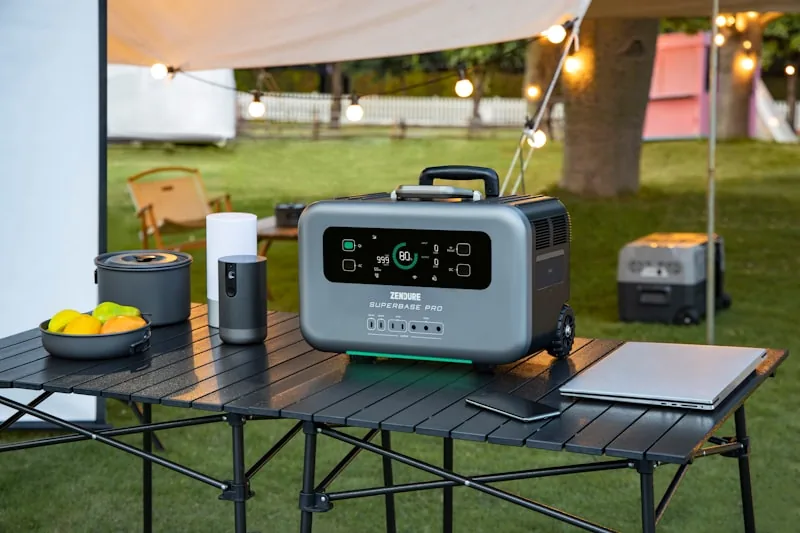
A portable power station is a rechargeable battery pack that stores electrical energy and delivers it to your devices through AC outlets, USB ports, and DC connectors. Unlike traditional generators, portable power stations produce no emissions, make minimal noise, and require no fuel—making them ideal for travel, camping, emergencies, and off-grid adventures.
When you’re traveling, a portable power station becomes your mobile power grid. It charges your phone, laptop, camera, drone, portable speaker, and other essential devices without relying on hotel outlets, car chargers, or finding a coffee shop with available power. For road trips, camping expeditions, international travel, or emergency preparedness, a quality power station delivers peace of mind and extended device runtime.
The appeal is straightforward: independence from the grid. Whether you’re on a week-long camping trip in the backcountry, working remotely from an RV, or facing a power outage at home, a portable power station ensures your devices stay charged and your plans stay on track.
Key Specs You Need to Understand

Before comparing SetPower models or any portable power station, you need to understand the core specifications that determine whether a unit will meet your needs. These metrics directly impact how long your devices run and how many devices you can power simultaneously.
Watt-Hours (Wh) and Capacity
Capacity is measured in watt-hours (Wh), and it’s the single most important metric. One watt-hour equals the energy needed to run a 1-watt device for one hour. A 1,000 Wh (1 kWh) power station can theoretically run a 100-watt device for 10 hours, or a 1,000-watt device for one hour.
Capacity directly determines how long your devices will run before the power station needs recharging. A 500 Wh station is suitable for light travel with a smartphone and tablet. A 2,000+ Wh unit supports laptops, small appliances, and multi-device charging during extended trips.
Continuous Power Output (Watts)
Continuous power output, measured in watts, indicates how much power the station can deliver at any moment. This spec determines which devices you can run simultaneously and whether the station can handle high-draw appliances.
Most portable power stations list both continuous output and peak output. Continuous output is what matters for real-world use—it’s the steady wattage the unit can sustain indefinitely. Peak output (often double or triple the continuous rating) is a brief surge capacity that lasts seconds to minutes when you first turn on a high-power device.
For example, if a power station has 1,500 watts continuous output, you can safely run devices that draw up to 1,500 watts total. If you try to run a 2,000-watt microwave, the unit will shut down or throttle output to protect itself.
AC Outlets, USB Ports, and Connectivity
The number and type of output ports determine how many devices you can charge at once. Standard setups include:
- AC outlets (110V in the US): Essential for laptops, chargers, and small appliances. Count how many you need simultaneously.
- USB-A ports: Still common for older phones, tablets, and accessories.
- USB-C ports: Fast-charging for modern phones, tablets, and laptops. Higher-wattage USB-C ports (60W+) can charge laptops.
- DC output (12V): For car accessories, portable fridges, or LED lights.
- Wireless charging pads: Convenient but consume power and charge slowly.
For travel, prioritize AC outlets and USB-C ports. Most travelers need at least two AC outlets and one high-wattage USB-C port for simultaneous charging.
Recharge Time and Input Methods
How fast the power station recharges matters significantly for travel. Recharge time depends on the input method:
- Wall outlet (AC): Fastest recharge, typically 4–12 hours depending on capacity and charger wattage.
- Solar panels: Slower but renewable. Recharge time varies with sunlight intensity and panel wattage.
- Car charger (12V DC): Moderate speed, useful during road trips.
- Combined inputs: Some stations accept multiple charging methods simultaneously, reducing total recharge time.
For travelers on a schedule, fast AC recharge is critical. If you’re stationary for days, solar becomes more practical.
Battery Chemistry and Lifespan
Most modern portable power stations use lithium-ion (Li-ion) or lithium iron phosphate (LiFePO4) batteries. LiFePO4 is newer, safer, and lasts longer (3,000–5,000+ charge cycles vs. 500–1,000 for older Li-ion), but it’s more expensive.
Manufacturers typically guarantee 80% capacity retention after 500–1,000 cycles. One cycle equals a full discharge and recharge. If you use your power station once weekly, it will last 10+ years.
SetPower Models: Overview and Positioning
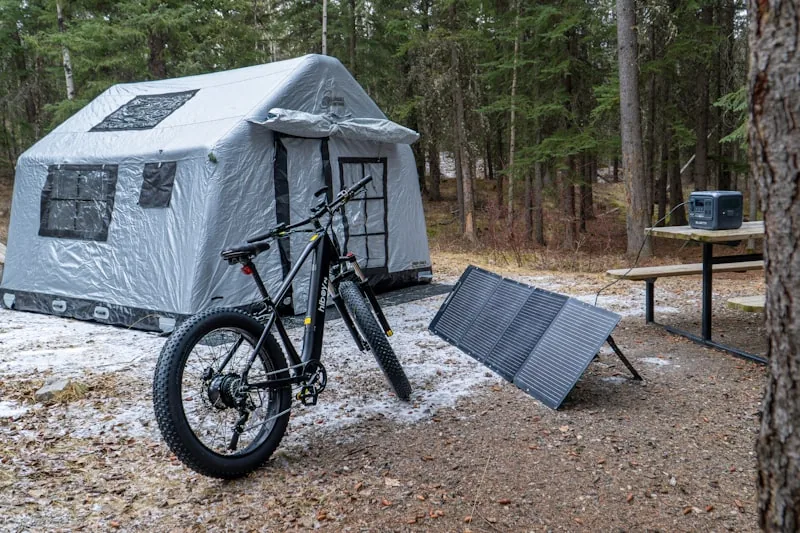
SetPower is a portable power station brand that competes in the mid-range market segment, offering several models designed for different travel scenarios and budgets. The brand positions itself as a practical, affordable alternative to premium brands like Jackery and EcoFlow, while maintaining respectable build quality and real-world performance.
SetPower’s lineup includes compact entry-level models for casual travelers and larger units for extended trips. The brand emphasizes straightforward specifications without excessive marketing claims, making it easier to compare directly with competitors.
SetPower’s Typical Model Structure
SetPower organizes its product line by capacity tiers:
- Entry-level (300–500 Wh): Lightweight, affordable, suitable for phones and tablets.
- Mid-range (1,000–1,500 Wh): Balanced capacity and weight; handles laptops and multiple devices.
- High-capacity (2,000+ Wh): Heavy but powerful; supports small appliances and extended trips.
Within each capacity tier, SetPower typically offers variants with different output configurations and port options. Some models include built-in solar charging capabilities, while others focus on fast AC recharge.
Brand Positioning and Audience
SetPower targets budget-conscious travelers, campers, and emergency preparedness buyers who want reliable performance without premium pricing. The brand avoids over-specification (unnecessary features that inflate cost) and focuses on core functionality: reliable capacity, reasonable output, and durability.
This positioning makes SetPower a practical choice for first-time portable power station buyers who want to understand what they’re paying for without confusion.
Capacity Comparison: Which Size for Your Trip
Choosing the right capacity is the most important decision. Too small, and you’ll run out of power mid-trip. Too large, and you’re carrying unnecessary weight. The right size depends on your trip duration, the devices you’re powering, and how often you can recharge.
Understanding Your Device Power Consumption
Before selecting a capacity, estimate how much power your devices consume. Most devices list wattage on the charger or in the manual. Here are typical consumption figures:
- Smartphone charger: 5–30W
- Laptop charger: 45–140W (varies by model)
- Tablet charger: 10–30W
- Portable speaker: 5–20W
- Camera battery charger: 20–60W
- Drone charger: 30–100W
- Portable fridge: 40–60W continuous
- Electric kettle: 1,000–1,500W
- Hair dryer: 1,000–2,000W
High-power devices like hair dryers and electric kettles drain capacity rapidly. A 1,000 Wh station can run a hair dryer for only 30–60 minutes.
Capacity Sizing by Trip Type
Weekend Camping Trip (2–3 Days)
If you’re camping with a smartphone, tablet, and camera, a 500–750 Wh station suffices. You’ll charge devices once daily using the power station’s AC outlet or USB ports. Recharge the power station at a campground outlet or via solar panels.
Example load: Phone (20W × 2 hours) + tablet (15W × 3 hours) + camera (30W × 1 hour) = 115 Wh per day. A 500 Wh station covers 4 days of this use.
Week-Long Road Trip (7+ Days)
For extended road trips where you’re moving daily and charging from the car, a 1,000–1,500 Wh station is ideal. It handles laptop charging (which demands significant power), multiple phones, and portable speakers without requiring daily AC recharge.
Example load: Laptop (100W × 4 hours) + phones (20W × 3 hours) + speaker (10W × 2 hours) = 510 Wh per day. A 1,000 Wh station covers 2 days; a 1,500 Wh station covers 3 days, giving you flexibility between recharges.
Remote Work or Extended Off-Grid Stay (2+ Weeks)
If you’re working remotely or staying in one location, capacity becomes less critical because you can recharge daily. Instead, prioritize continuous output to run a laptop and monitor simultaneously. A 1,500–2,000 Wh station with 1,500+ watts continuous output is practical.
Alternatively, pair a smaller station (750–1,000 Wh) with solar panels for continuous recharge during the day.
Emergency Home Backup
For power outages, estimate your essential loads: refrigerator (150–600W continuous), lights (10–100W), phone chargers (20W), and medical devices. A 2,000+ Wh station with 2,000+ watts output ensures you can run multiple devices simultaneously during an outage.
The Weight-Capacity Tradeoff
Capacity and weight scale together. A 500 Wh station weighs 10–15 lbs; a 2,000 Wh station weighs 40–60 lbs. For air travel, weight is constrained by baggage limits. For car travel, weight matters less, but portability still affects convenience.
If you’re flying and checking luggage, a 500–1,000 Wh station is practical. If you’re driving and stationary, a 2,000 Wh station becomes reasonable.
Output Power and Device Compatibility
Capacity tells you how long your devices will run; output power determines which devices you can run simultaneously. A power station with insufficient output will shut down or throttle when you plug in a high-power device.
Matching Output to Your Devices
Most travel devices draw 100–500 watts. Here’s what different output levels support:
- 500W continuous: Phones, tablets, small laptops (under 60W charger).
- 1,000W continuous: Laptops, portable speakers, small kitchen appliances (toaster, blender).
- 1,500W+ continuous: Multiple laptops, hair dryers, electric kettles, portable refrigerators.
- 2,000W+ continuous: All of the above plus high-power tools or medical equipment.
For travel, 1,000–1,500 watts is sufficient for most use cases. You’ll rarely need to run a hair dryer or electric kettle while traveling, and these devices drain capacity so quickly that they’re impractical anyway.
USB-C and Fast Charging
USB-C has become the standard for fast charging. A 60W USB-C port can charge a modern laptop at full speed. Ports under 30W charge laptops slowly or not at all (they trickle-charge).
For travel, prioritize a power station with at least one 60W+ USB-C port and multiple USB-A ports. This setup charges a laptop and phones simultaneously without using AC outlets.
AC Outlet Quality and Sine Wave
AC outlets on portable power stations output either pure sine wave or modified sine wave power. Pure sine wave is essential for sensitive electronics like laptops, cameras, and medical devices. Modified sine wave can damage or overheat certain devices.
All modern portable power stations use pure sine wave, but it’s worth verifying in the spec sheet. This ensures compatibility with any standard US appliance.
Charging Speed and Recharge Methods
How quickly you can recharge your power station determines how flexible your trip can be. Slow recharge means you’re tethered to outlets; fast recharge gives you freedom to move.
Wall Outlet (AC) Recharge
AC recharge is the fastest method. A 1,000 Wh station typically recharges from empty in 4–8 hours using a standard wall outlet. Higher-wattage chargers (90W+) recharge faster than lower-wattage chargers (30W).
For travel, AC recharge matters when you’re at a hotel, campground, or friend’s house with reliable power. Most travelers can recharge overnight and have a full station by morning.
Solar Panel Recharge
Solar panels add flexibility for extended trips, but they’re slower than AC and weather-dependent. A 100W solar panel array recharges a 1,000 Wh station in 10–15 hours under ideal sunlight (clear day, panels at optimal angle).
SetPower and competitors often offer optional solar panel accessories. These panels are lightweight (5–15 lbs) and foldable, making them practical for travel. However, they’re only worthwhile if you’re stationary for multiple days and have consistent sunlight.
Car Charger (12V DC) Recharge
Car chargers use your vehicle’s 12V outlet to recharge the power station while driving. Recharge speed is moderate—a 1,000 Wh station takes 8–12 hours of driving to fully recharge. This is practical for long road trips where you’re driving 8+ hours daily.
Combined Charging
Some SetPower models and competitors support simultaneous charging from multiple sources. For example, you can plug into an AC outlet and a solar panel at the same time, reducing total recharge time. This is useful for travelers with flexible schedules.
Weight, Portability, and Travel Practicality
A powerful power station is useless if you can’t transport it. Weight and size determine whether you’ll actually bring it on trips or leave it at home.
Weight Thresholds for Different Travel Modes
Air Travel (Checked Luggage)
Airlines limit checked bag weight to 50 lbs. Most portable power stations under 1,500 Wh weigh 15–30 lbs, leaving room for other gear. However, lithium batteries have restrictions: most airlines allow one portable power station per passenger in checked or carry-on luggage, and the Wh capacity must be under 100 Wh for carry-on or 160 Wh for checked luggage on some airlines.
For air travel, verify airline restrictions before booking. Smaller stations (300–750 Wh) are safest and easiest to transport.
Car Travel
Weight is less critical for car travel. A 40–50 lb power station fits easily in a trunk or back seat. However, portability still matters for moving between the car and campsite or hotel.
Backpacking or Hiking
If you’re hiking to a remote location, every pound counts. Stations over 20 lbs become burdensome on long hikes. Lightweight options (300–500 Wh, 10–15 lbs) are practical; larger stations require a cart or vehicle.
Handle Design and Portability Features
A comfortable, sturdy handle is essential. Poor handles make carrying a 30 lb power station painful and increase drop risk. Look for:
- Padded handles: Reduce hand fatigue on longer carries.
- Wide handles: Distribute weight evenly.
- Integrated handles: Part of the case, not add-ons.
- Carrying cases: Optional but useful for protection and portability.
Size and Fit
Dimensions matter for fitting into luggage, car trunks, or RV storage. A compact station (roughly 12” × 8” × 7”) fits standard luggage; larger stations (16” × 10” × 10”) require dedicated storage.
SetPower vs. Competitors: How They Stack Up
SetPower competes against established brands like Jackery, EcoFlow, Anker SOLIX, and Goal Zero. Understanding how SetPower compares helps you decide if it’s the right choice or if you should consider alternatives.
Price-to-Capacity Ratio
SetPower typically offers better price-to-capacity than premium brands. A SetPower 1,000 Wh station costs $300–500, while Jackery’s equivalent model costs $500–700. For budget-conscious travelers, SetPower delivers comparable functionality at lower cost.
However, premium brands invest more in design, durability testing, and customer support. The price difference reflects these investments, not just marketing.
Build Quality and Durability
SetPower stations are built with standard lithium-ion batteries and aluminum cases. They’re durable enough for regular travel and camping, but they lack the premium finishes and advanced thermal management of higher-end brands.
According to Consumer Reports’ testing of portable power stations, mid-range brands like SetPower perform reliably in real-world use, though premium brands show slightly better longevity after extended use.
Feature Set and Innovation
SetPower focuses on core functionality without unnecessary features. Premium brands like EcoFlow add features like app control, smart load management, and modular battery expansion. These features add cost and complexity.
For straightforward travel use, SetPower’s simpler feature set is an advantage—fewer things to learn and fewer potential failure points.
Customer Support and Warranty
SetPower offers standard 1–2 year warranties. Premium brands often offer 3–5 year warranties and more responsive customer support. For travelers, warranty coverage is important because damage or failure far from home is inconvenient.
Before buying, check SetPower’s warranty terms and support availability in your region.
Real-World Testing Comparisons
According to Outdoor Gear Lab’s hands-on testing, mid-range brands perform comparably to premium brands in basic capacity and output. The main differences appear in recharge speed, app features, and long-term durability after 2+ years of use.
Real-World Use Cases and Which Model to Choose
The right SetPower model depends on your specific use case. Here’s how to match your needs to a model.
Casual Weekend Camper
Use case: Overnight or weekend camping trips with friends or family. You need to charge phones, run a portable speaker, and keep a headlamp charged.
Recommended capacity: 500–750 Wh
Recommended output: 500–750W continuous
Why: A 500 Wh station runs phones and speakers for 2–3 days before needing recharge. Weight is minimal (10–15 lbs), making it easy to pack and carry. Output is sufficient for all portable devices.
SetPower model example: A mid-range SetPower compact model in this category offers 4–6 USB ports and 1–2 AC outlets, enough for a small group.
Remote Worker or Digital Nomad
Use case: Working from various locations (cafes, co-working spaces, remote cabins) while traveling. You need to run a laptop, charge a phone, and power accessories like a portable monitor or external hard drive.
Recommended capacity: 1,500–2,000 Wh
Recommended output: 1,500W+ continuous
Why: A laptop charger draws 100W+; running one for 8 hours consumes 800 Wh. A 1,500 Wh station handles a full work day plus phone charging. You can recharge overnight at a hotel or campground.
SetPower model example: A SetPower mid-to-large model with 60W USB-C port (for laptop charging) and multiple AC outlets ensures you can work without worrying about battery.
RV or Van Lifer
Use case: Living in an RV or van for weeks or months. You need reliable power for a laptop, phones, portable fridge, and LED lighting.
Recommended capacity: 2,000+ Wh
Recommended output: 2,000W+ continuous
Why: Continuous power draw is higher (fridge runs 24/7, laptop charges during work hours). A 2,000 Wh station with solar panels provides sustainable power without daily AC recharge. Higher output handles simultaneous devices.
SetPower model example: A SetPower high-capacity model with solar panel compatibility supports extended off-grid living. Pair it with 200–400W of solar panels for sustainable energy.
Emergency Home Backup
Use case: Powering essential home devices during power outages (refrigerator, lights, phone chargers, medical devices).
Recommended capacity: 2,000–3,000 Wh
Recommended output: 2,000W+ continuous
Why: A refrigerator draws 150–600W continuously; a 2,000 Wh station runs it for 3–13 hours. Multiple devices (fridge + lights + chargers) draw 1,000+ W simultaneously, requiring high continuous output.
SetPower model example: A SetPower large-capacity model with high continuous output ensures you can power multiple devices during an outage. Store it indoors for quick access.
International Travel with Limited Outlets
Use case: Traveling internationally where hotel outlets are scarce or unreliable. You need to charge phones, tablets, laptops, and cameras without relying on hotel power.
Recommended capacity: 1,000–1,500 Wh
Recommended output: 1,000W+ continuous
Why: A 1,000 Wh station covers 2–3 days of typical travel device charging. You can recharge at the airport, hotel, or a local cafe with reliable outlets.
SetPower model example: A SetPower compact-to-mid-range model with multiple USB-C ports (for international device compatibility) and a 110V AC outlet for laptop charging. Weight under 25 lbs is important for airport baggage limits.
Durability, Warranty, and Long-Term Value
A power station is a long-term investment. Understanding durability, warranty coverage, and long-term value helps you make a confident purchase.
Battery Degradation Over Time
Lithium-ion batteries degrade with each charge cycle. SetPower and most competitors guarantee 80% capacity retention after 500–1,000 cycles. This means after 500 full discharge-recharge cycles, the station retains 80% of its original capacity.
For a casual user (one full cycle per week), this translates to 10+ years of useful life. For heavy users (daily cycles), expect 1.5–3 years before noticeable degradation.
SetPower doesn’t publish detailed long-term testing data, but as a mid-range brand using standard lithium-ion chemistry, expect performance in line with competitors in this segment.
Warranty and Support
SetPower typically offers a 1–2 year manufacturer’s warranty covering defects in materials and workmanship. This covers battery failure, port malfunction, and case damage—but not physical damage from drops or water exposure.
For international travelers, check whether SetPower’s warranty is honored in your destination country. Some brands offer global support; others require return to the US for repairs.
Real-World Durability Feedback
SetPower user reviews on Popular Mechanics’ portable power station guide and retailer sites like Amazon show generally positive durability reports. Users report reliable performance after 1–2 years of regular use.
Common issues in reviews include:
- Slow recharge time: Some users report AC recharge takes longer than advertised.
- Fan noise: The cooling fan runs during heavy discharge and can be audible.
- Port durability: USB ports can loosen after repeated use.
These issues are typical across mid-range brands and don’t indicate systemic failure.
Long-Term Value Assessment
A SetPower station is a good value if:
- You use it regularly (at least monthly).
- You don’t need premium features like app control or modular expansion.
- You’re comfortable with mid-range warranty coverage.
- You prioritize cost savings over brand prestige.
SetPower becomes a poor value if:
- You rarely use it (less than quarterly).
- You need premium durability for professional use.
- You require global warranty support.
- You want cutting-edge features.
Frequently Asked Questions
Can I bring a portable power station on an airplane?
Yes, but with restrictions. The FAA allows one portable power station per passenger. The Wh capacity must be under 100 Wh for carry-on luggage or under 160 Wh for checked luggage on most US airlines. International airlines have different limits; verify with your carrier before traveling.
SetPower’s smaller models (300–500 Wh) exceed these limits and must be checked as cargo or left behind. For air travel, consider a smaller power station or verify your airline’s specific policy.
How long does a portable power station last before I need to replace it?
With regular use and proper care, a SetPower station lasts 5–10 years. Battery degradation is gradual; after 500 charge cycles, capacity drops to 80%, and you’ll notice reduced runtime. At 10 years or 1,000+ cycles, capacity may drop to 60–70%, but the station still functions for light travel use.
Replacement is optional; many users continue using degraded stations for less demanding applications.
Is it safe to use a power station indoors?
Yes. SetPower stations produce no emissions and are safe for indoor use. However, the cooling fan can be audible during heavy discharge. If noise is a concern, keep the station in a separate room or use it during times when noise is acceptable.
Do not cover the station’s vents; ensure adequate airflow around it to prevent overheating.
Can I charge my power station while using it?
Most SetPower models support simultaneous charging and discharging, but it’s not recommended. Charging while discharging generates heat and slows the charging process. For best battery health, fully discharge the station before recharging, or allow it to rest for 30 minutes between discharge and recharge.
What’s the difference between a power station and a portable battery pack?
A portable battery pack (like Anker’s portable chargers) stores 10,000–50,000 mAh and charges phones and small devices. A power station stores 500+ Wh and includes AC outlets for laptops and appliances.
For travel, a power station is more versatile if you’re carrying multiple devices or need AC power. A battery pack is lighter and sufficient for phone-only charging.
Should I buy solar panels with my power station?
Solar panels are valuable if you’re stationary for 3+ days with consistent sunlight. For mobile travel (moving daily), solar adds weight without much benefit because you won’t have time for full recharge. For RV or van living, solar becomes practical and cost-effective.
SetPower offers optional solar panel accessories. A 100W panel costs $150–250 and recharges a 1,000 Wh station in 10–15 hours under ideal conditions.
How do I know if my power station is fully charged?
SetPower stations include LED displays or indicator lights showing battery percentage. Most models display capacity in increments of 10% or 25%. A full charge is indicated by a 100% display or a solid green light.
Recharge time varies by charger wattage; check the manual for your specific model.
Can I use a power station to power my home during an outage?
Yes, but with limitations. A 2,000 Wh station runs a refrigerator for 3–13 hours (depending on model) or lights and chargers for 1–2 days. For extended outages, you’ll need multiple stations or a larger capacity (5,000+ Wh).
For reliable home backup, consider a whole-home battery system like Tesla Powerwall instead of a portable station. Portable stations are best for emergency essentials, not full-home power.
Conclusion: Making Your Choice
Choosing the right portable power station requires balancing capacity, output, weight, and cost against your specific travel needs. SetPower offers solid mid-range options that deliver reliable performance without premium pricing.
Start by defining your use case: casual weekend camping, remote work, RV living, or emergency backup. This determines your ideal capacity (500 Wh to 3,000+ Wh) and output (500W to 2,000W+).
Next, estimate your daily power consumption by adding up device wattages and usage hours. This reveals how many days a given capacity supports between recharges.
Finally, consider weight, portability, and warranty. A lighter station is easier to travel with; a longer warranty provides peace of mind.
SetPower excels for travelers who prioritize value and straightforward functionality. If you need premium features, global support, or cutting-edge design, premium brands like Jackery and EcoFlow may justify their higher cost. But for most travel scenarios, a SetPower station delivers the power and reliability you need at a practical price.
Before purchasing, verify compatibility with your devices, check airline restrictions if flying, and read user reviews on retailer sites. This due diligence ensures you select a model that truly fits your travel lifestyle.
For additional guidance on choosing portable power for specific scenarios, consult EnergySage’s educational guide on portable power stations and GearJunkie’s field-tested recommendations for real-world testing insights.
Your next adventure deserves reliable power. Choose wisely, and you’ll enjoy the freedom of portable energy for years to come.
Sources
- Consumer Reports. “Best Portable Power Stations.” https://www.consumerreports.org/home-garden/generators/best-portable-power-stations-a4748703075/
- Outdoor Gear Lab. “The Best Power Stations of 2026.” https://www.outdoorgearlab.com/topics/camping-and-hiking/best-power-station
- Popular Mechanics. “The 8 Best Portable Power Stations for Outages and Outings.” https://www.popularmechanics.com/home/a32825530/best-portable-power-stations/
- GearJunkie. “The Best Portable Power Stations of 2026.” https://gearjunkie.com/technology/best-portable-power-stations
- BLUETTI Official Website. https://www.bluettipower.com
- Jackery Official Website. https://www.jackery.com
- EcoFlow Official Website. https://www.ecoflow.com
- Anker Official Website. https://www.anker.com/
- Goal Zero Official Website. https://www.goalzero.com
- EnergySage. “Portable Power Stations Guide.” https://www.energysage.com/portable-power-stations/
- Unbias Review. “The Definitive Buyer’s Guide Hub for Home Appliances.” https://unbiasreview.com/definitive-buyers-guide-hub-home-appliances
- Unbias Review. “The Complete Framework for Unbiased Product Testing.” https://unbiasreview.com/complete-framework-unbiased-product-testing
- Unbias Review. “What Verified Scores Mean in Product Testing.” https://unbiasreview.com/what-verified-scores-mean-product-testing
- Unbias Review. “How We Review.” https://unbiasreview.com/how-we-review/